
How to Prepare for Your First Online Therapy Session
Key Takeaways:
Here’s a quick overview of how to feel more comfortable, prepared, and confident before your first online appointment:
- Find a private place to talk.
- Make sure your internet connection, camera, microphone, and session link work.
- Prepare a list of your main concerns, symptoms, questions, or goals.
- Understand that the first session is about getting to know you, not solving all your problems.
- Select a reputable clinic that provides the support you need.
The decision to begin therapy is a significant one, and the option to do it at home is an extra dose of novelty that most individuals are not accustomed to. Perhaps you have been considering it for months. Perhaps a friend prodded you. Perhaps it was the day that something spilled over and you finally made the appointment. However you came to be here, that combination of curiosity, hope, and a touch of nervousness you are experiencing is perfectly normal.
The good news is that therapy sessions online are not a diluted version of in-person ones. Your initial virtual appointment can be as grounded and personal as an in-office visit, provided you are properly prepared. These first online therapy session tips are meant to help you enter that conversation feeling prepared, not nervous, so that the hour you have created can do its job.
Why Online Therapy Has Become a Trusted Option
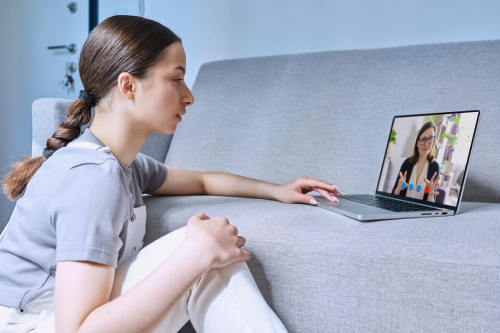
In recent years, virtual mental health care has become a major trend. What began as a temporary measure during the pandemic has evolved into a full-fledged model of care, supported by secure clinical video platforms, high standards of confidentiality, and licensed clinicians who are trained in this format. Studies have repeatedly demonstrated that online therapy sessions are as effective as face-to-face care for anxiety, depression, trauma, and relationship problems. In other instances, clients have reported opening up more quickly since they are beginning in a familiar setting.
The practical advantages are important as well. No commute. No waiting room. Less stressful time management around work, children, and the unpredictability of adult life. Virtual care can provide access to specialists that people in small communities or with mobility issues might otherwise be unable to reach. And reassuringly, online therapy sessions are held to the same clinical and ethical standards as in-office appointments and are subject to the same college rules. The platform has changed; the quality of care remains the same.
How Do You Prepare for Your First Online Therapy Session?
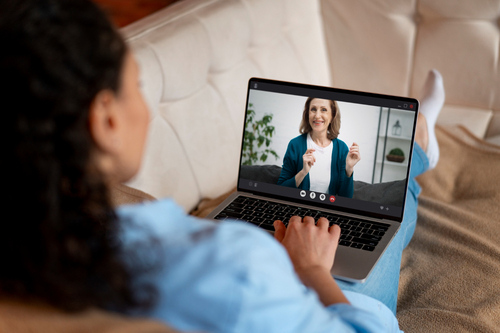
Online therapy session preparation is not about making everything perfect. It is about making the path clear so that the conversation can breathe. This is how to prepare for a relaxing, productive first appointment.
Set Up a Private, Comfortable Space
Choose a room where you will not be disturbed. A bedroom, a home office, even a parked car, anything that offers privacy and quiet. Inform anyone you are staying with that you will not be available for the next hour, then shut the door. Find a place to sit with good back support; you will be there for nearly an hour, and sore shoulders can drag you out of the conversation. Have tissues, water, and a notebook close by so you do not have to interrupt the flow to get them later.
Get Your Technology Ready
Check your internet connection one or two days in advance. A wired connection or a strong Wi-Fi connection is preferable, and public networks must be avoided at all costs for confidentiality reasons. Open the secure session link 5-10 minutes before your scheduled time to set up camera and microphone permissions without the stress of being late. You can plug in your laptop, charge your phone, and save your therapist’s number somewhere you can reach it in case the connection goes down during the conversation.
Optimize Your Lighting and Camera
Position yourself in front of a window or a lamp so the light falls on your face, not behind you. Backlighting makes you a silhouette, and a therapist reading your face is more important than you may imagine. Set the camera at eye level. It is okay to place a laptop on a pile of books to make eye contact look natural rather than tilted. Headphones with an inbuilt microphone enhance sound quality and provide privacy when someone is at home.
Eliminate Distractions
Put your phone on silent and disable laptop notifications. Turn off email, Slack, and any other tabs that might beep. Turn off smart speakers that might respond to a stray word. If you have dogs that bark at every step or children who might knock, think ahead about how to manage it, such as a closed door, a spouse or partner, or a trip to the shops. Defending the hour is part of honouring the work you’re about to do.
Prepare Yourself Emotionally
On the day of your appointment, take ten silent minutes to write down what’s been nagging at you, what you wish you felt, and what you want your therapist to know at the outset. List two or three questions that you would like to ask them. Schedule a 15-minute break later on – a stroll around the block, a cup of tea, a few deep breaths – rather than plunging into a meeting. These small first online therapy session tips can make the difference between a hurried phone call and a talk that actually stirs something within you.
What to Expect in Your First Online Therapy Session
The initial visit is less about diagnosis or repair than about getting to know you. Most therapists structure the first hour in the following way:
- Short registration and consent at the beginning, including confidentiality, charges, and the storage of your data on a safe platform.
- A warm welcome to tell us what brought you here. No script, no right way to start, no polished story.
- Background questions regarding your history, present stressors, sleep, relationships, and what your daily life is like at present.
- A joint discussion of objectives, what you would rather feel, change, or learn better over the next few weeks.
- Next steps, such as the frequency of meetings, the types of therapy a clinician can recommend (CBT, EMDR, IFS, hypnosis, and others), and how to book a therapy session online in the future, are discussed.
The majority of first appointments last 50-60 minutes. You may leave with a little reflection, a bit of homework, or just a sense that you have been listened to in a long time. All those are valid results.
How Do You Choose the Right Online Therapist?
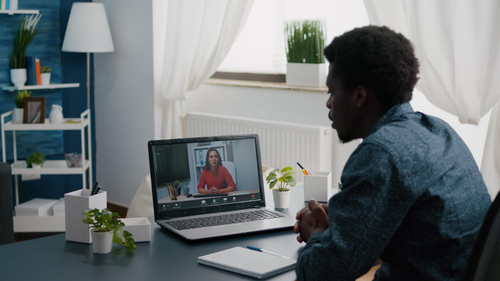
Online therapy session preparation is key, but so is finding the right fit. Here’s what to consider when you’re shopping around:
- Verify credentials. In Ontario, look for a Registered Social Worker (RSW) or Registered Psychotherapist (RP) who is in good standing with their college.
- Check their specialty. Anxiety, trauma, OCD, couples, and grief require different therapeutic expertise, and a good clinic will be clear about its specialties.
- Ask about modalities. CBT, EMDR, IFS, DBT, and Clinical Hypnosis are all useful for different issues, and a good therapist will have more than one.
- Confirm insurance coverage. Most extended health insurance plans in Ontario cover RSW and RP services, whether they are delivered in person or online.
- Trust the fit. The best way to find out if you trust the person on the other side of the screen is to have a free initial consultation.
At Anxiety Solutions, we work with clients who have anxiety, depression, OCD, panic, trauma, grief, and relationship issues. We also provide couples counselling, family counselling, and personal development coaching, all via secure video in Ontario, or in person in Vaughan and Thornhill. You can book a therapy session online through our website and begin with a free consultation, with no obligation to continue if it’s not a good fit.
Conclusion
Online therapy session preparation is not about doing it right. It is about clearing a little, noise-free space where something sincere can occur. The chair you sit on, the equipment you install, the questions you carry, none of it needs to be perfect. The thing is, you have created space for the conversation, and you have already done the most difficult thing by coming here, reading this, and thinking about it.
If you’re ready to take the next step, contact us today. At Anxiety Solutions, we will be happy to walk you through it.
FAQs:
What can I expect during a first online counselling session?
You will have a confidential, non-judgmental discussion in which your therapist will learn about your issues, goals, and current challenges. The initial session is typically dedicated to understanding your needs and determining next steps.
What setup do I need for a secure online therapy session?
You require a room to yourself, a stable internet connection, a charged device, and a functioning camera and microphone. Privacy and background noise can also be addressed with headphones.
Is online therapy helpful for anxiety and stress?
Yes. Therapy sessions online may assist individuals in learning about anxiety, stress, panic symptoms, and emotional overwhelm. A therapist can help you with practical strategies that suit your situation.
How early should I prepare before my first online session?
Try to get ready 10-15 minutes before your appointment. This will give you time to check your connection, get comfortable, review your notes, and settle in.